

SUNLU 2026: The 5 best filaments

PLA

PLA+ (PLA Plus)

PETG

SILK PLA+

Rainbow Filament
Select your 3D printing partners
A single drying cycle can eliminate 99.99% of 3D printing problems.
SUNLU FilaDryer S4 Pro
Dual-zone filament dryer with independent temperature & time control, max. 85 °C, 2-in-1: drying & annealing

SUNLU FilaDryer E2
Up to 110 °C, professional drying and tempering – specially developed for technical 3D printing
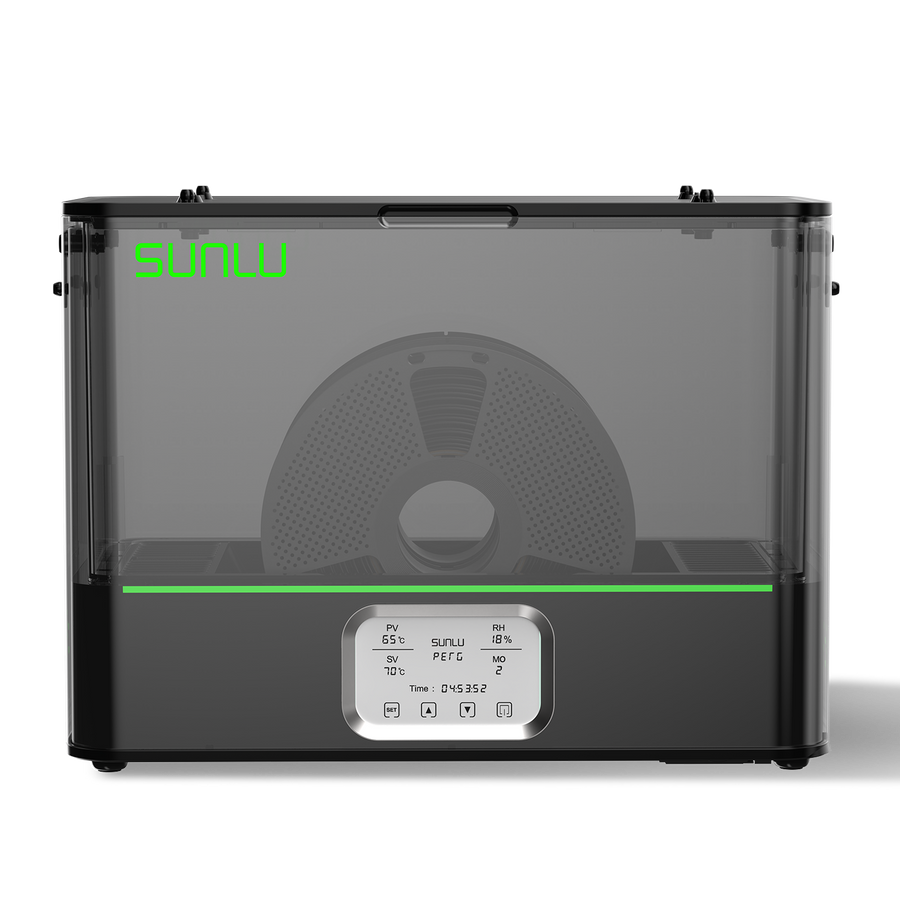
SUNLU FilaDryer S2
Best dryer for beginners, up to 70 °C, 360° surround heating for 3D printing
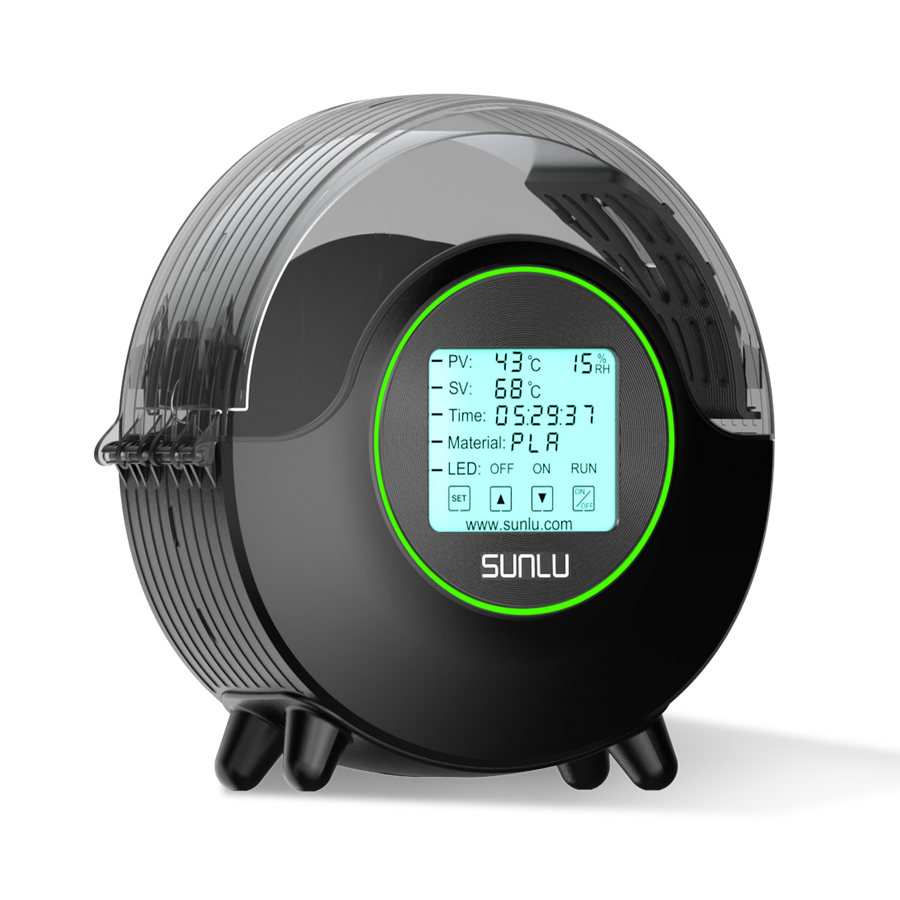
SUNLU FilaDryer S1 Plus
With an integrated circulation fan – the best 3D printer filament dryer for beginners.
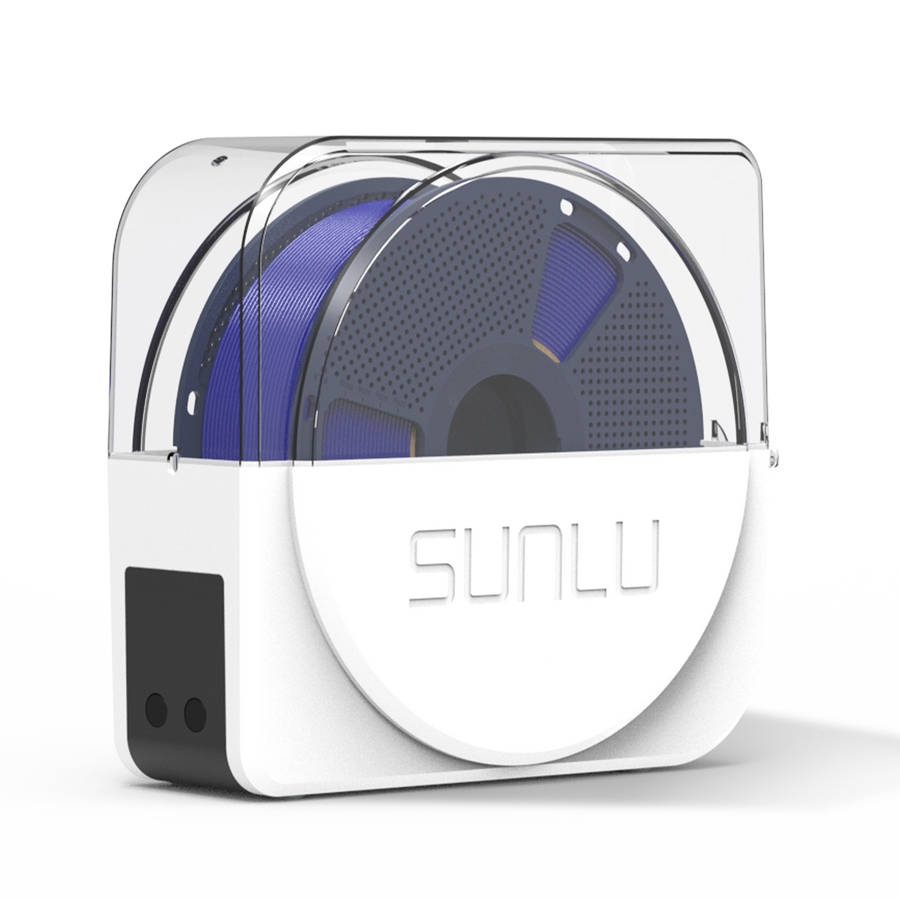
SUNLU FilaDryer S4
The world's first FilaDryer with a 4-spool capacity. Temperature compensation and high efficiency.
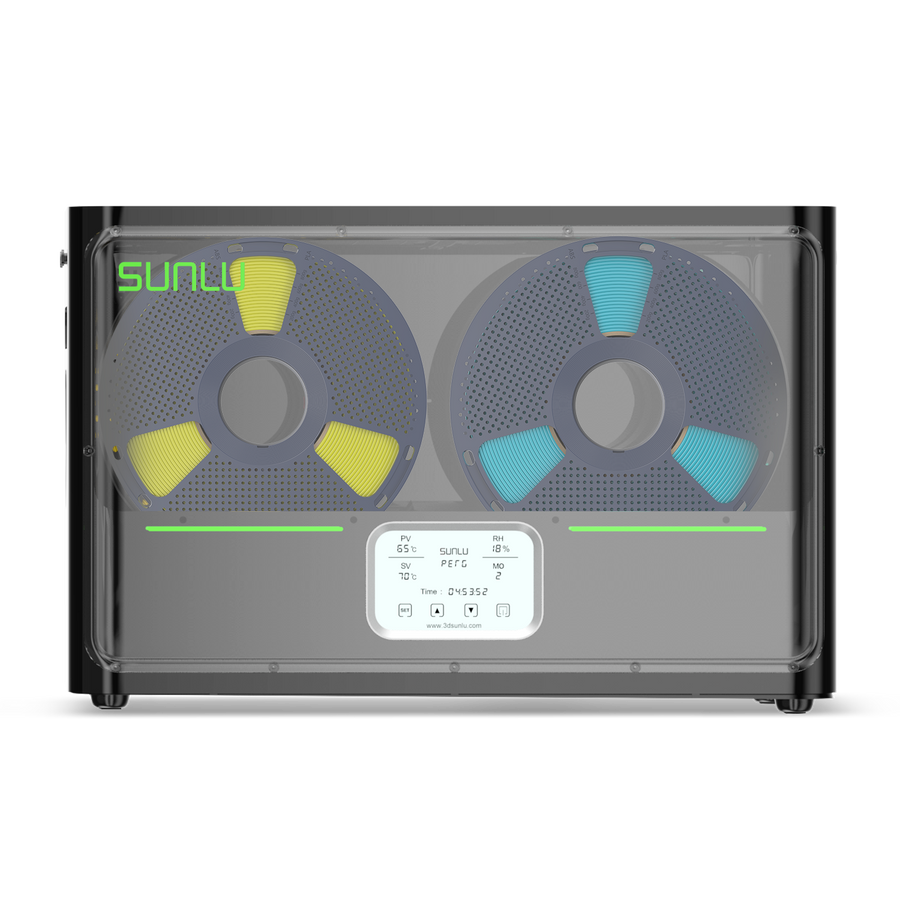
SUNLU FilaDryer SP2
Two-part 3D printer filament dryer. 2-in-1 filament dryer with integrated storage box
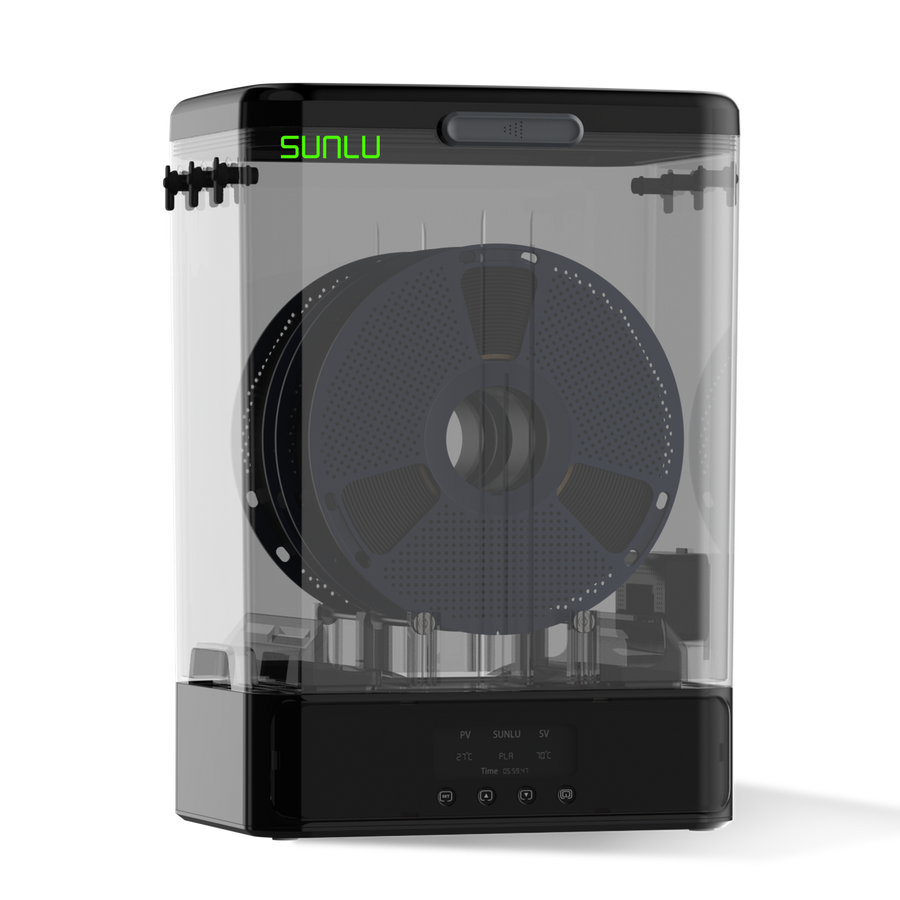
SUNLU AMS Heater
Your Bambu Lab AMS has been updated – it now allows drying during the printing process
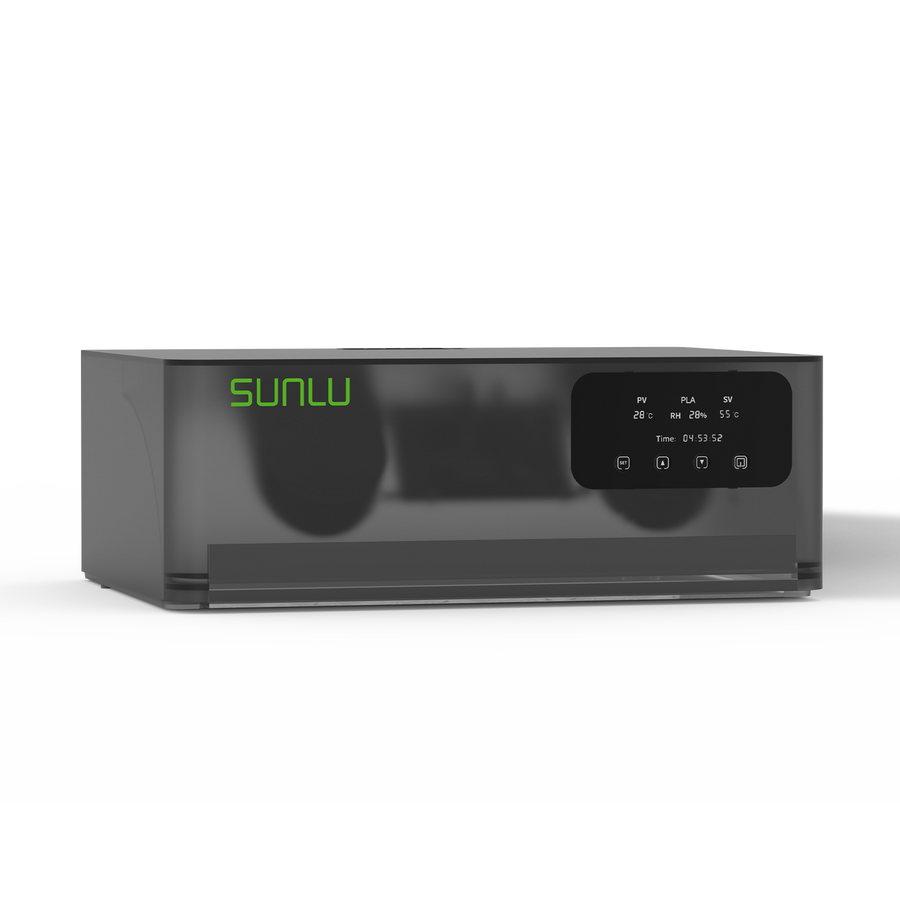
SUNLU Filament Connector FC01
Used DIY filament. Fusion splicer, suitable for welding 1.75 mm PLA, ABS, PETG, PCL, PA, and PC 3D filaments.
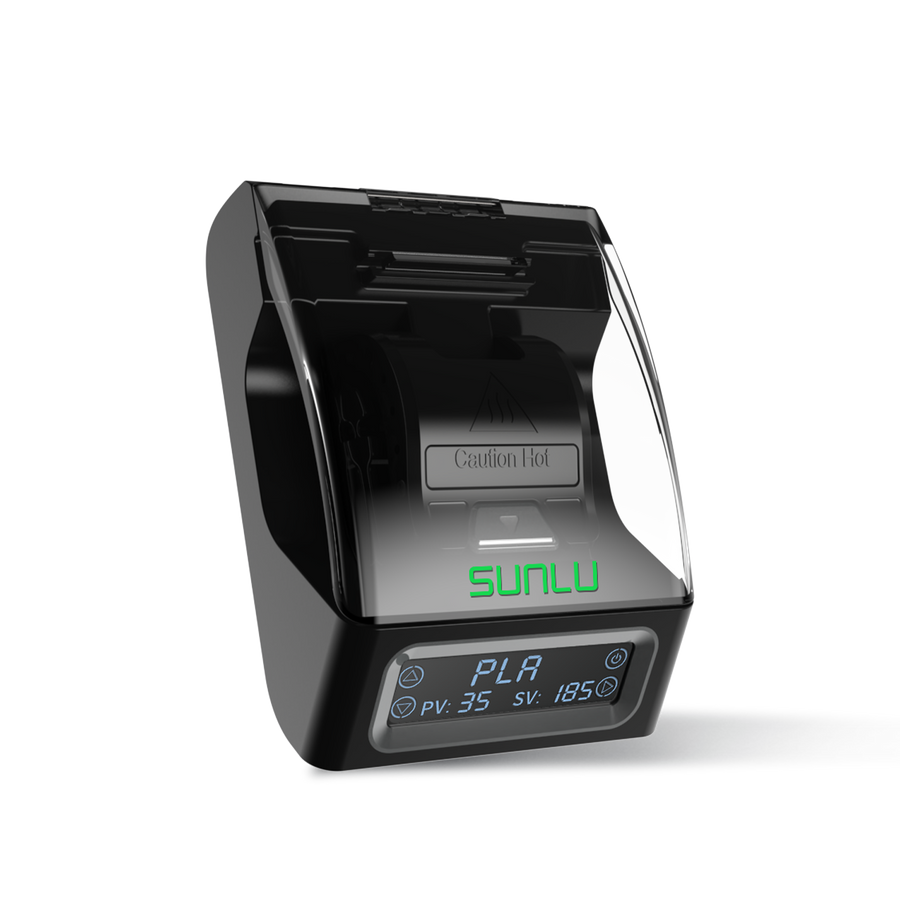
Instant results with the Dry Box
Why do you need a filament dryer?


Your first 3D print · Step by step
-

Step 1|Download simple model
Step 1|Download a simple model: Makerworld, Thingiverse, Cults 3D, Printables, Makeroad, etc.
-

Step 2|Import the model into Slicer
Slicer software: Bambu Studio, Cura, PrusaSlicer, etc. (Use the default settings and parameters for the first time.)
-

Step 3 | Select the correct filaments
Best for first-time users: SUNLU PLA/PLA+ filament, stable, reliable and compatible
-

Step 4|Send the file to your printer
- Standard printer: Export file → Copy to SD card → Insert into printer → Start print
- Networked printers: Send directly from the slicer → Use preset profiles → One-click printing


Simple model ideas for beginners
💡 Tip: Choose models with flat bases, simple shapes, and minimal supports.

Toy
@Makeroad Official
With these simple 3D-printed toys, even beginners can experience the fun of assembly.
Recommended materials:
SUNLU PLA+, PETG
Download & Print >

Tools
@Makeroad Official
3D printing can be used to create simple tools that meet basic requirements for home use, camping, storage, and much more.
Recommended materials:
PETG
Download & Print >

Night light
@Makeroad Official
A simple, 3D-printable model of a night light or lampshade, suitable for a bedroom.
Recommended materials:
SUNLU Matte PLA, PETG
Download & Print >

Art
@WallArt Heaven
With these simple 3D-printed toys, even beginners can experience the fun of assembling.
Recommended materials:
SUNLU PLA+, PETG
Download & Print >

Storage box
@Makeroad Official
With these simple 3D-printed toys, even beginners can experience the fun of assembly.
Recommended materials:
SUNLU PLA+, PETG
Download & Print >

Phone stand
@SUNLU Official
With these simple 3D-printed toys, even beginners can experience the fun of assembling.
Recommended materials:
SUNLU PLA+2.0, PETG
Download & Print >

Keyring
@HUATIANXIAOMAO
With these simple 3D-printed toys, even beginners can experience the fun of assembling.
Recommended materials:
SUNLU PLA+, PETG
Download & Print >

Farfalle pasta vase
@Makeroad Official
With these simple 3D-printed toys, even beginners can experience the fun of assembly.
Recommended materials:
SUNLU PLA+ Yellow, PETG
Download & Print >
Let's go! Discount for beginner filaments
📩Subscribe to our newsletter and receive a 5% discount on your first order
👉Start printing today – your first successful print is closer than you think.
Tips for beginners to avoid misprints
Collapsible content
Check filament status (very important)
Check filament status (very important)
- Gently bend a short piece of filament.
- If it snaps easily, it may be too damp or too old.
Best practice:
- Use fresh filament.
- Dry the filament before printing.
- Ideal humidity level: 10–20% (the lower, the better)
Make sure the build plate is leveled.
Make sure the build plate is leveled.
- An uneven print bed leads to poor adhesion and warped prints.
- Many modern printers support automatic print bed leveling.
Tip: Always observe the first layer.
Use the correct nozzle and bed temperatures.
Use the correct nozzle and bed temperatures.
- Incorrect temperatures can lead to clogs, stringing, or weak adhesion
Tip: Use the settings recommended by the filament manufacturer
Not every model prints well.
Not every model prints well.
- Preview the layers in the slicer
- Ensure there is sufficient contact area with the build plate
If necessary:
- Add supports
- Enable skirt or brim
The fan settings are important.
The fan settings are important.
- Higher fan speeds help with PLA and TPU
- Improves overhangs and bridging
Always preheat before printing
Always preheat before printing
- Cold starts can lead to insufficient extrusion or first-layer failure.
Recommended workflow:
Preheat nozzle → Wait for stable temperature → Insert filament → Check for smooth extrusion → Start print process
