
When 3D printing, choosing the right filament is crucial for high-quality results. One type of filament that is becoming increasingly popular among 3D printing enthusiasts is SILK PLA (PLA Plus).
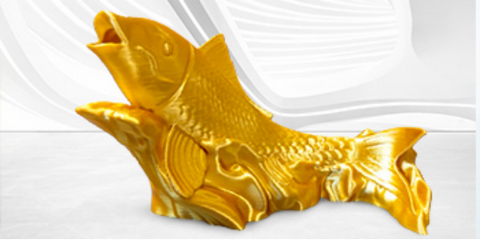
SILK PLA (PLA Plus) filament offers a unique combination of high gloss and a smooth, shiny finish, making it ideal for creating eye-catching prints. However, with the large selection of filaments available, finding the best SILK PLA (PLA Plus) filament for your projects can be a difficult task.
The importance of choosing the right filament
First and foremost, the quality of your filament directly affects the end result of your prints. High-quality SILK PLA (PLA Plus) filaments are known for their excellent layer adhesion and smooth surface, resulting in professional-looking prints with intricate details. On the other hand, inferior filaments can have irregularities in color, texture, or diameter, leading to poor print quality and wasted time and materials.
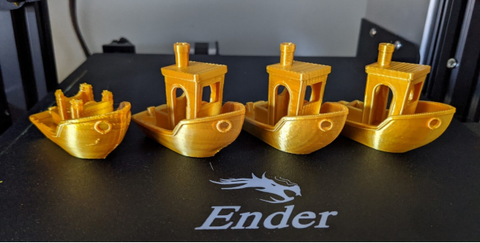
Furthermore, using the right SILK PLA (PLA Plus) filament can optimize your 3D printer's performance. Both professionals and hobbyists understand the importance of using filaments that are compatible with their respective printers. This ensures that the filament flows smoothly through the printer's extruder, preventing clogs or filament jams, and reducing the risk of wasting filament or damaging the printer.
While premium filaments may come at a higher price, they often offer better durability and reliability, leading to fewer errors and reprints. Investing in high-quality filaments can save you time and money in the long run.
Factors to consider when selecting a SILK PLA (PLA Plus) filament
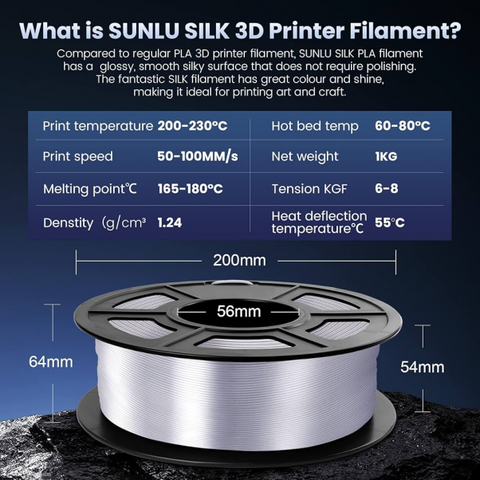
1. Filament diameter: The diameter of the filament is a crucial factor that directly affects the quality of your prints. Most 3D printers are designed to use a specific filament diameter, so you should check your printer's specifications before purchasing. Common diameters for SILK PLA (PLA Plus) filaments are 1.75 mm and 2.85 mm.
2. Printing temperature: SILK PLA (PLA Plus) filaments have unique temperature requirements for optimal performance. It is important to choose a filament whose recommended printing temperatures are compatible with your printer. Using the wrong temperature can lead to poor adhesion, stringing, or even clogs in the extruder.
3. Color options: SILK PLA (PLA Plus) filaments come in a wide range of vibrant and shimmering colors. Consider your project requirements and choose a filament color that complements your design and brings out the desired aesthetic.
4. Brand reputation: Research the reputation and customer reviews of different filament brands. Look for brands known for their consistent quality, excellent customer service, and reliable performance. This ensures you are investing in a SILK PLA (PLA Plus) filament trusted by professionals and hobbyists alike.
5. Price and value for money: While cost shouldn't be the only determining factor, it is important to consider the price of the filament in relation to its quality and performance. Compare the prices of different brands and evaluate their value based on factors such as filament consistency, print quality, and durability.
By considering these factors, you can make an informed decision when selecting a SILK PLA (PLA Plus) filament for your 3D printing projects. In the next section, we will introduce some popular SILK PLA (PLA Plus) filament brands known for their excellent quality and performance to help make your selection easier. Stay tuned!
The best brands and options on the market
In this section, we will introduce some of the best SILK PLA (PLA Plus) filament brands on the market. These brands are known for their exceptional quality and performance, making them a preferred choice among 3D printing enthusiasts.
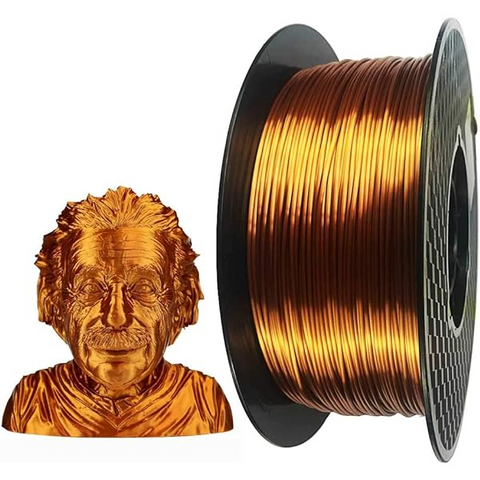
1. CC3D SILK PLA (PLA Plus) filament: CC3D is known for its vibrant and shimmering colors and offers a wide selection of SILK PLA (PLA Plus) filaments. The filaments are known for their consistency and smooth printing behavior.
2. Sunlu SILK PLA (PLA Plus) filament: Sunlu is a trusted brand among 3D printing enthusiasts, and their SILK PLA (PLA Plus) filaments are no exception. With a range of colors to choose from, Sunlu filaments offer excellent adhesion and produce stunning prints.
3. eSUN SILK PLA (PLA Plus) filament: eSUN is a popular choice for SILK PLA (PLA Plus) filaments due to its wide range of colors and excellent print quality. The filaments have a smooth texture and create prints with a mesmerizing silky finish.
Remember to consider factors such as filament diameter, printing temperature, and customer reviews when selecting a SILK PLA (PLA Plus) filament from these top brands.
Customer reviews and experiences

When it comes to choosing the best SILK PLA (PLA Plus) filament for your 3D printing projects, customer reviews and experiences play an important role in helping you make an informed decision. Hearing what other users have to say about a particular brand or product can provide valuable insights into its overall performance and reliability.
Take the time to read through customer reviews and look for patterns or common themes. Pay attention to comments regarding print quality, color vibrancy, and filament consistency. Positive reviews that highlight the ease of use, low clogging, and excellent adhesion of the filament are an indication of a high-quality product.
On the other hand, pay attention to negative reviews and consider the reasons behind them. If multiple customers faced issues such as poor print quality or inconsistent diameter, it may be advisable to stay away from that brand.
Tips for successful 3D printing with SILK PLA (PLA Plus) filament
Now that you have a better understanding of how customer reviews can help you choose the best SILK PLA (PLA Plus) filament, let's take a closer look at some tips for successful 3D printing with this material.
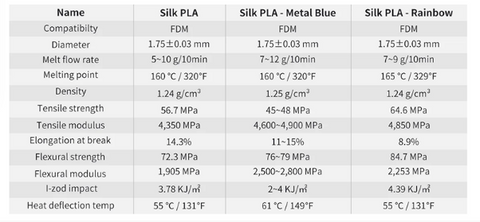
1. Optimize your printer settings: SILK PLA (PLA Plus) filaments often require slightly different settings compared to standard PLA. Experiment with temperature, print speed, and cooling to achieve the desired results. Start with the manufacturer's recommendations and adjust them as needed.
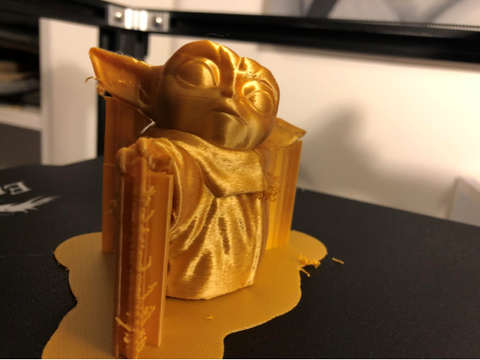
2. Use a compatible nozzle: SILK PLA (PLA Plus) filaments may have special requirements regarding the nozzle diameter. Check the manufacturer's guidelines to ensure you are using the right nozzle for an optimal print.
3. Clean your print bed: Proper adhesion is crucial for successful 3D printing. Before every print, make sure your print bed is clean and free of residue that could hinder adhesion. If necessary, use a suitable adhesive such as a glue stick or hairspray.
4. Pay attention to filament storage: SILK PLA (PLA Plus) filaments are often more prone to absorbing moisture than regular PLA. Store your filaments in a dry and airtight container to maintain their quality.
By following these tips, you can make the most of your SILK PLA (PLA Plus) filament and achieve beautiful, high-quality prints for your 3D printing projects.
Conclusion and final recommendations
When choosing the best SILK PLA (PLA Plus) filament for your 3D printing projects, it is important to consider the quality and reputation of the brand. Look for established brands that have positive customer reviews and a track record of producing high-quality filaments.
Also, pay attention to the available color options. SILK PLA (PLA Plus) filaments come in a wide range of vibrant and metallic colors, so choose a brand that offers the colors that meet your project requirements.
And finally, consider the price. While it is tempting to go for the cheapest option, keep in mind that quality often comes with a slightly higher price tag. Investing in a reputable brand can ensure you get consistent printing results and avoid frustration.
FAQs
1. How does SILK PLA (PLA Plus) filament differ from regular PLA?
SILK PLA (PLA Plus) filament offers a unique combination of high gloss and a smooth, shiny finish that sets it apart from standard PLA filaments. The result is eye-catching prints that are ideal for projects requiring a visually appealing, silky finish. Unlike regular PLA, SILK PLA (PLA Plus) filaments are known for their excellent layer adhesion, smooth surface, and professional-looking prints that also show intricate details.
2. How do I choose the best SILK PLA (PLA Plus) filament?
When choosing the right SILK PLA (PLA Plus) filament, there are several factors to consider: the diameter of the filament that matches your printer's specifications, the recommended printing temperatures, the color options suitable for your project, the brand's reputation for consistency and quality, and the overall value for money. It is also beneficial to read customer reviews to learn about the print quality and reliability of the filament.
3. Can the wrong SILK PLA (PLA Plus) filament affect the performance of my 3D printer?
Yes, using a filament that is not compatible with your 3D printer can lead to issues such as clogs, filament jams, and suboptimal print quality. High-quality SILK PLA (PLA Plus) filaments are designed to flow smoothly through the printer's extruder, which improves printer performance and reduces the risk of filament waste or damage to the printer.
4. Are there any special tips for printing with SILK PLA (PLA Plus) filament?
For successful 3D printing with SILK PLA (PLA Plus) filament, it is important to optimize printer settings, including temperature, print speed, and cooling, according to the filament's requirements. Using a compatible nozzle and ensuring the print bed is clean and properly prepared for adhesion can also contribute to better print results. Additionally, proper storage of SILK PLA (PLA Plus) filament in a dry, airtight container is crucial to prevent moisture absorption and maintain the quality of the filament.
