
The world of printing has undergone a revolutionary transformation in recent years thanks to the emergence of multi-material 3D printing technology. This innovative approach to printing has the potential to alter traditional manufacturing processes and open up a world of possibilities across various industries, including aerospace engineering, medical printing, and sustainable architecture.
By making it possible to integrate multiple materials into a single printed object, multi-material 3D printing offers higher functionality, shorter assembly times, greater design freedom, and better performance.
Benefits of Multi-Material Printing
Multi-material 3D printing is a groundbreaking technology that is rapidly changing the manufacturing landscape. Unlike traditional single-material printing, it allows for the use of different materials in a single printed object. This opens up a wealth of benefits that significantly impact various industries.
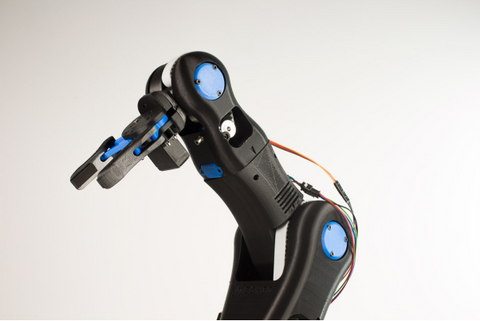
One of the most important advantages is the ability to create objects with enhanced functionality. Imagine a gripper for a robotic arm. By combining a rigid material for the base with a soft, flexible material for the gripping surface, multi-material printing can achieve this complex functionality in a single operation. This eliminates the need for separate components and complex assembly processes.
Furthermore, multi-material printing offers a drastic reduction in assembly time. Previously, intricate objects required multiple parts to be printed and then assembled. With multi-material printing, these objects can be printed complete in a single pass, streamlining the entire manufacturing process. This translates into significant time and cost savings for companies.
The benefits go beyond mere efficiency. Multi-material printing allows designers to create objects with customized properties. The aerospace industry, for example, can use this technology to print lightweight aircraft components with varying degrees of stiffness for optimal performance. Similarly, the medical field can produce personalized medical implants by combining rigid materials for structural integrity with flexible materials for patient comfort. This level of customization paves the way for groundbreaking advances in various fields.
What is currently available on the market
Bambu Lab AMS
Bambu Lab's Automated Material System (AMS) takes multi-material printing to a whole new level. With this upgrade, which is compatible with P1P and Carbon printers, you can use up to four filament spools simultaneously. If you are feeling truly adventurous and have a full AMS setup with the hub, you can use an astonishing 16 different filaments in a single print!
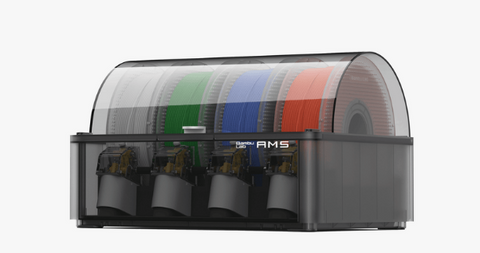
It is important to mention that the AMS is currently available exclusively for Bambu Lab printers. While this may be a limitation for those using other brands, the seamless integration with P1P and Carbon makes setup a breeze. For those looking for a more compact option, the A1 Mini offers compatibility with the AMS Lite. However, please note that neither of the two AMS versions is currently compatible with flexible filaments.
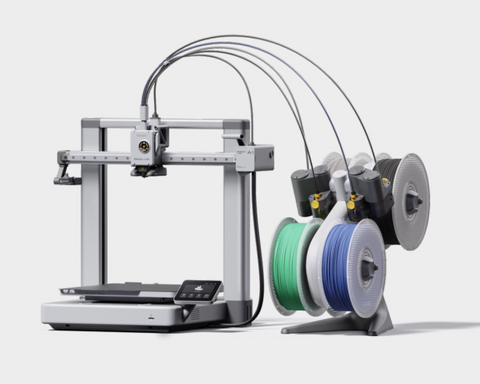
Material changes are handled by a clever flushing system. Instead of a bulky block, the AMS uses small filament threads for the transition between materials, thus minimizing waste. Overall, the quality and capabilities of the AMS are undeniable, making it a compelling option for those seeking advanced multi-material printing with Bambu Lab machines.
Mosaic Palette
This ingenious accessory breaks boundaries and works with most FDM printers to unleash the power of eight-material printing. Imagine a chameleon of filament that switches seamlessly between colors, textures, and properties within a single print.
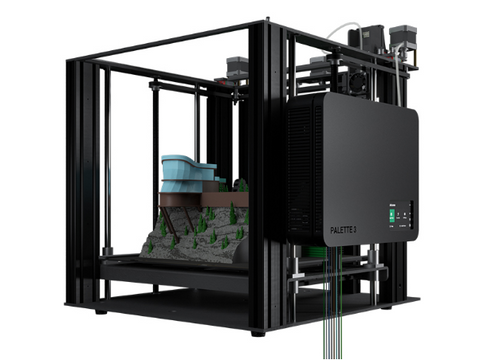
The magic lies in Mosaic's splicing technology. It works like a filament conductor, precisely cutting different materials and fusing them into a single strand. Your printer then treats it like any other filament and is ready to bring your multi-material visions to life. The latest version features faster print speeds and an auto-refill feature that keeps the printing process from being interrupted.
However, the Palette is not without its pitfalls. Similar to other multi-material systems, it uses a "purge block" for the transition between materials, which can result in some waste. But Mosaic isn't afraid to get their hands dirty (metaphorically speaking, of course). With Mosaic's Canvas slicing software, you can fight back against the waste. You can now calibrate the amount of waste between specific materials, reducing loss to a minimum. The software even allows you to integrate some of the purged material into the infill of your print—a clever way to turn potential waste into functional strength.
Prusa XL
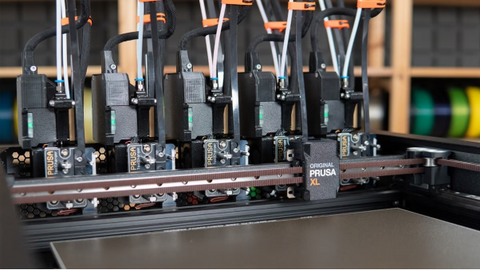
Forget being restricted to a single material. With the Prusa XL, the rules for multi-material printing are being rewritten. This powerhouse features a unique tool-changing system that can accommodate up to five independent extruders. Imagine the possibilities: printing objects with a symphony of materials, the seamless fusion of rigid and flexible components, or the integration of dissolvable support structures without breaking a sweat.
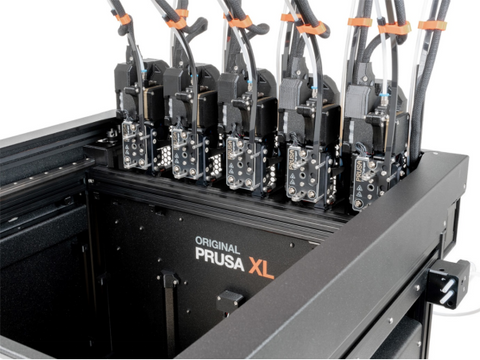
The XL unlocks a new level of design freedom, allowing you to create objects with intricate details and different functions—all in a single print. With the XL, you no longer have to cobble together parts made from different materials, but can design complex masterpieces directly according to your ideas.
Challenges and Limitations
While multi-material 3D printing has undoubtedly revolutionized various industries, like any new technology, it also brings some challenges and limitations. In this section, we address some of these hurdles and show how manufacturers and researchers are tackling them.
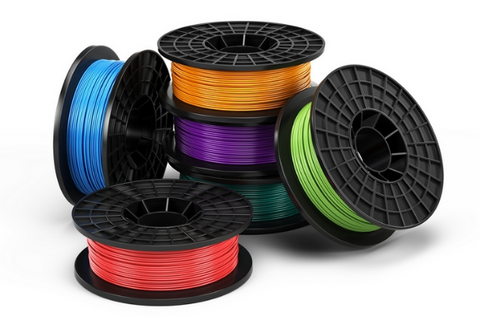
One of the biggest challenges of multi-material 3D printing is the need for compatible materials. Each material used in the printing process must be able to adhere to and bond with the other materials to ensure a stable and reliable end product. Achieving compatibility between different materials can be a complex task and requires precise control of factors such as temperature, viscosity, and curing time.
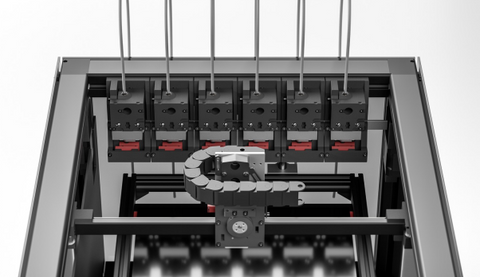
Another limitation of multi-material 3D printing is the complexity of the printing process itself. Printing with multiple materials often requires more intricate machinery and software, which increases the overall complexity and cost of the system. This can represent a significant barrier for smaller businesses or individuals who want to adopt this technology.
Furthermore, the scalability of multi-material 3D printing is a challenge that needs to be addressed. While the technology has proven itself in the production of prototypes and custom orders on a small scale, scaling up production to meet higher demand can be a daunting task. Manufacturers are constantly looking for ways to optimize and streamline the printing process to unlock its full potential for mass production.
Despite these challenges, significant progress is being made to overcome the limitations of multi-material 3D printing. Researchers are constantly developing new materials with improved compatibility and experimenting with novel printing techniques to simplify the process. Furthermore, advances in automation and software technology are making the printing process more efficient and cost-effective.
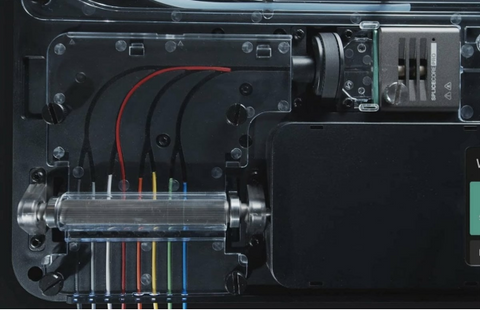
Multi-material 3D printing is not only a technological marvel but also the gateway to a future full of possibilities. Imagine a world where intricate medical implants, perfectly tailored to individual needs, roll out of the printer with ease. Imagine lightweight aircraft parts that excel in both strength and flexibility soaring through the skies.
Of course, challenges remain. Material compatibility can feel like a constant puzzle, and scaling production for mass markets requires innovative solutions. But with every hurdle overcome, with every new material combination explored, the potential of multi-material printing unfolds a little further.
