
Discover the world of 3D printing and unleash your creativity with these inspiring projects
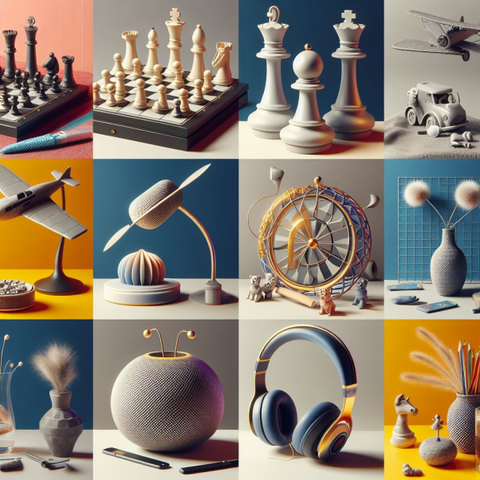
3D printing has revolutionized the manufacturing industry, enabling individuals and businesses alike to unleash their creativity and bring innovative ideas to life. With its ability to create highly detailed and custom objects, 3D printing has opened up a world of possibilities for designers, engineers, artists, and hobbyists.
From industrial applications to creative expression, the benefits of 3D printing are immense. However, successful 3D printing projects require proper planning, design tips, and material selection.
Benefits of 3D printing for creative projects
There are countless benefits that 3D printing offers for creative projects. First, it allows for unparalleled customization and personalization. With 3D printing, you have the freedom to design and create objects that perfectly match your vision, no matter how intricate or complex they are. This level of creative control can help you stand out from the crowd and create truly unique and memorable pieces.
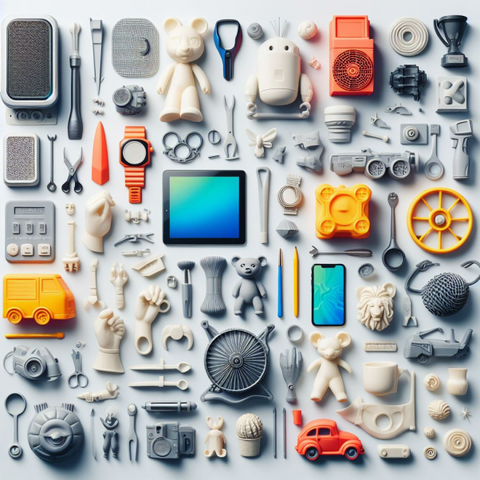
Second, 3D printing offers immense time and cost savings. Traditional manufacturing methods often require expensive molds, tooling, and laborious production processes. With 3D printing, you can skip these steps and manufacture your creations directly from a digital file, saving both time and money. 3D printing enables rapid prototyping. This means you can quickly iterate and refine your designs, leading to faster innovation and, ultimately, better end products.
Project ideas to unleash your creativity.
Now that we have discussed the benefits of 3D printing for creative projects, let's explore some inspiring ideas that will spark your creativity.
Customized Jewelry Masterpieces:
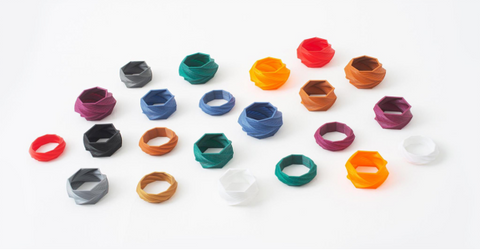
Dive into the world of personalized jewelry by designing and crafting your own custom earrings, necklaces, or rings. 3D printing allows you to experiment with intricate shapes, fascinating patterns, and personal messages or symbols, resulting in truly unique and bespoke jewelry pieces.
Innovation in Home Decor:

Enhance the ambiance of your living space with custom 3D-printed home decor items. From elegant vases and avant-garde lamps to captivating wall art, 3D printing allows you to create personalized decorations that reflect your individual style. You can also craft custom picture frames or planters, adding a touch of your personality to your surroundings.
Download this design today! https://makerworld.com/en/models/162149#profileId-177991
Engineering Prototypes Revolution:
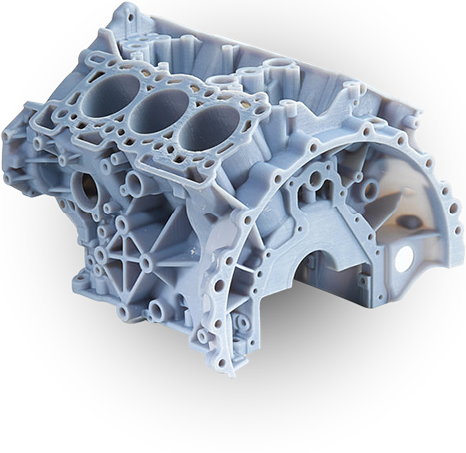
For engineers and inventors, 3D printing represents a revolutionary tool. Accelerate your prototyping process by quickly creating complex models for testing and validation. This rapid iteration process allows for more efficient refinement and improvement of your designs, representing a fundamental shift in the traditional approach to engineering.
Costumes and Cosplay Extravaganza:
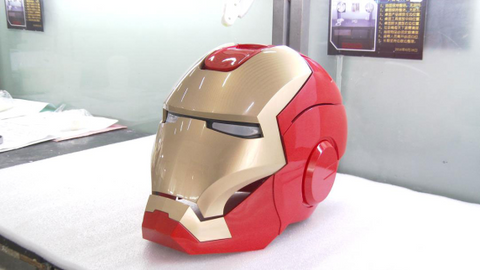
Unleash the full power of your imagination by bringing beloved characters to life through 3D-printed costumes and props. Whether it's superhero suits or intricate armor, the versatility of 3D printing offers cosplayers and costume enthusiasts a vast field of possibilities to turn fantasy into tangible reality.
Educational Model Enlightenment:
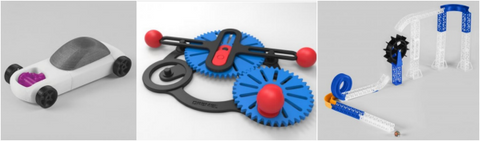
Educators can harness the power of 3D printing to create engaging and interactive models that enhance the understanding of complex concepts in subjects such as anatomy, geology, or architecture. These educational aids are invaluable tools that help students visualize and understand intricate topics, fostering an engaging and immersive learning experience.
These examples are just a small glimpse into the vast possibilities offered by 3D printing. As you embark on your journey into the world of 3D printing, you can unleash your creativity and discover the limitless potential that awaits you in this transformative field of innovation.
The importance of proper planning and design
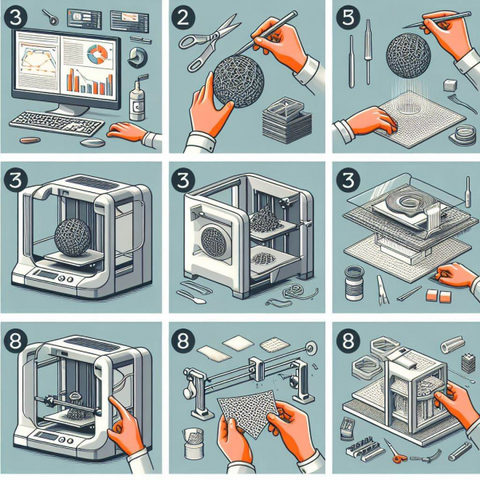
In 3D printing, proper planning and design are the keys to a successful and high-quality result. Before you embark on your next 3D printing project, take the time to carefully plan and design your creation.
First, consider the purpose and functionality of your project. Do you want to create a prototype for testing purposes or a decorative object for display? Knowing the purpose of your project will guide your design choices and ensure that the final product meets your expectations.
Next, utilize the various CAD (Computer-Aided Design) programs available to create your design. These programs offer a wide range of tools and features to help bring your ideas to life. Familiarize yourself with the software and explore various design techniques to enhance your creativity.
Also, pay attention to the technical aspects of 3D printing, such as material selection and print settings. Different materials have different properties and may require specific print settings to achieve optimal results. Take the time to research and experiment with different materials to find the most suitable one for your project.
Don't forget the post-processing steps. After the print is finished, you may need to remove supports, sand or polish the surface, or add finishing touches to achieve the desired look. These steps contribute to the overall quality and aesthetics of your 3D-printed creation.
Choosing the right materials for your 3D printing project
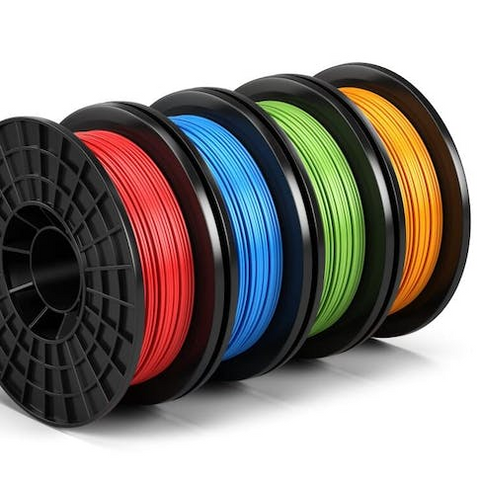
Choosing the right material for your 3D printing project is crucial for achieving the desired results. With the multitude of options available, deciding which material is best for your project can be overwhelming.
First, consider the specific requirements of your project. Are you looking for a material with high strength and durability, or one that offers flexibility and elasticity? Understanding the properties and characteristics of different materials will help you make an informed decision.
PLA (Polylactic Acid) is a popular choice for beginners due to its ease of use and wide range of colors. It is biodegradable and produces minimal odors during printing. ABS (Acrylonitrile Butadiene Styrene) is known for its strength and impact resistance, making it suitable for functional prototypes or parts that require longevity.
For projects requiring heat resistance, materials like PETG (Polyethylene Terephthalate Glycol) or Nylon are suitable. These materials can withstand higher temperatures compared to PLA and ABS.
In addition to material properties, you should also consider the cost and availability of the materials. Some specialty materials can be more expensive or harder to find. Do your research and compare prices to ensure the material you choose fits your budget.
By carefully selecting the right materials, you can enhance the functionality and aesthetics of your 3D printing project. Experiment with different materials and push the boundaries of creativity with your 3D printer.
Empowering your creativity with 3D printing
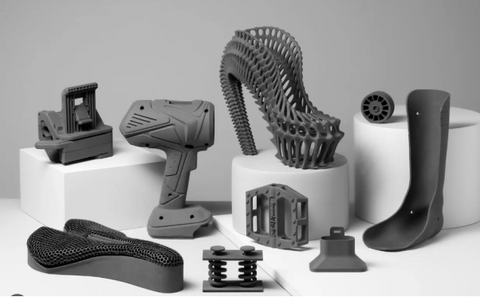
In conclusion, 3D printing not only revolutionizes various industries but also empowers individuals to unleash their creativity. With a 3D printer at your disposal, you can bring your wildest visions to life and turn your ideas into physical objects.
Whether you are an artist, a designer, or simply someone who enjoys being creative, 3D printing offers endless possibilities. You can design and print your own jewelry, home decor, toys, and even functional tools. The only limit is your imagination.
One of the most exciting aspects of 3D printing is the ability to customize. You can add a personal touch to your designs or even modify existing models to suit your preferences. This level of creative freedom is truly impressive and opens up a whole new world of possibilities for makers and creatives alike.
3D printing not only provides a platform for creative expression but also fosters problem-solving and innovation. With this technology, you can quickly prototype and test your designs, iterate them, and bring your ideas to life faster than ever before.
Frequently Asked Questions
Q1. What are the benefits of 3D printing for creative projects?
A1. Using 3D printing for creative projects offers numerous benefits, including significant opportunities for customization and personalization, substantial time and cost savings by eliminating mold and tooling costs, and rapid iterations through rapid prototyping, which leads to improved innovation and end products.
Q2. What are some inspiring ideas for 3D printing projects?
A2. Interesting project ideas for 3D printing include creating custom jewelry, designing personalized home decor elements, developing sophisticated engineering prototypes, constructing captivating costumes and cosplay accessories, and producing visually appealing and informative educational models for classroom use.
Q3. How important is proper planning and design when executing 3D printing projects?
A3. Proper planning and design play a major role in achieving successful and high-quality results for 3D printing projects. Consider factors such as purpose and functionality, use CAD (Computer-Aided Design) software, consider appropriate materials and print settings, and don't forget necessary post-processing tasks to optimize appearance and performance.
Q4. What materials should I choose for my 3D printing project, and why are they important?
A4. Material selection is crucial for achieving the desired properties and appearance of your 3D printing project. Common material types include Polylactic Acid (PLA), known for its ease of use and vibrant colors; Acrylonitrile Butadiene Styrene (ABS), known for its toughness and impact resistance; Polyethylene Terephthalate Glycol (PETG) and Nylon, known for their heat resistance; as well as other specialty materials with unique characteristics. Evaluate the strengths and limitations of each option to achieve your goals and allocate your resources accordingly.
——————————————————


