
In recent years, the manufacturing industry has experienced a revolution with the advent of 3D printing technology. Metal 3D printing, in particular, has proven to be an innovative and promising technique that is reshaping the future of manufacturing.
In the following, the advancements in metal 3D printing, also known as additive manufacturing of metal, and its impact on the industrial sector will be discussed. From the benefits and applications to the potential for a manufacturing revolution, we will dive into the exciting world of metal 3D printing and its role in the future of manufacturing.
The rise of 3D printing in the manufacturing industry
As the demand for customization and efficiency in manufacturing continues to rise, 3D printing has emerged as a transformative technology in the industry. The ability to print metal objects layer by layer based on CAD models has opened up a world of possibilities for manufacturers
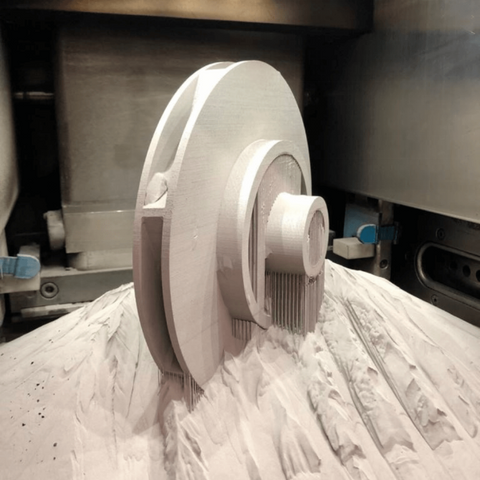
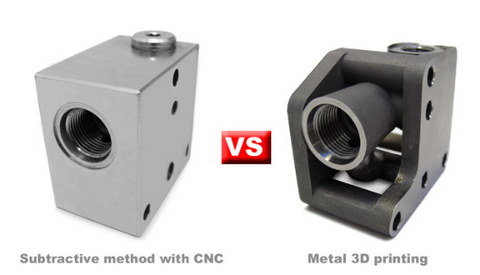
One of the main advantages of metal 3D printing is the ability to reduce material waste. Conventional manufacturing processes often involve throwing away excess material, leading to inefficiency and higher costs. In metal 3D printing, only the required amount of metal is used, which minimizes waste and increases cost-efficiency.
Furthermore, metal 3D printing enables complex and intricate designs that were previously not possible with conventional manufacturing methods. This level of design freedom allows manufacturers to create highly customized and optimized metal products, thereby improving functionality and performance.
Advancements in metal 3D printing
The field of metal 3D printing is constantly evolving, and new advancements are being made to further enhance the capabilities and applications of this revolutionary technology. Researchers and engineers are pushing the boundaries of what is possible, opening up a world of opportunities for manufacturers.
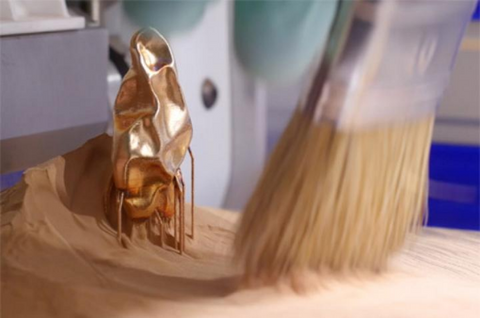
One area of advancement is the development of new materials for metal 3D printing. In addition to traditional metals such as steel and aluminum, researchers are working on expanding the range of printable materials to include alloys and even precious metals. This opens up new possibilities for industries such as aerospace or the jewelry industry, where high-performance and specialized metals are required.
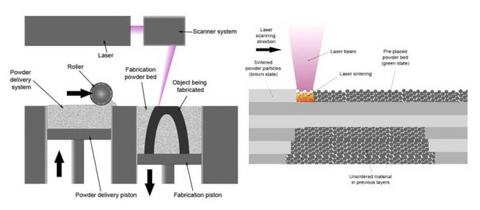
Another focus is on improving the speed of metal 3D printing. Although the technology has come a long way in terms of efficiency, there is still room for improvement. Researchers are working on developing faster printing processes and optimizing the design and manufacturing workflow to reduce production time.
Additionally, advancements in software and design tools are making it easier for manufacturers to create complex and intricate designs for metal 3D printing. The integration of artificial intelligence and machine learning algorithms allows designers to optimize their designs for performance and efficiency, resulting in highly functional and bespoke products.
Benefits and limitations of using metal in 3D printing
One of the main benefits of metal 3D printing is the ability to create complex and intricate designs that were previously impossible or very expensive to produce. Traditional manufacturing processes often require multiple steps, tooling, and assembly. However, with metal 3D printing, a single, fully functional part can be produced in one pass, reducing assembly requirements and minimizing material waste.

Furthermore, metal 3D printing offers design freedom, enabling manufacturers to produce highly customized products tailored to specific needs. This flexibility allows for the creation of unique, one-off components, whether they are patient-specific medical implants or customized automotive parts, without the need for expensive molds or tools.
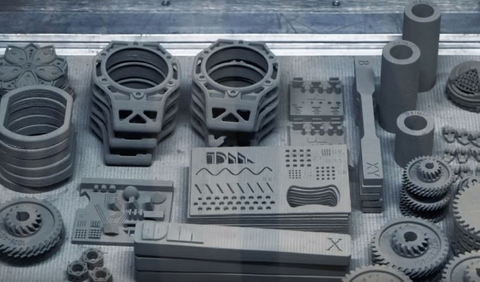
Like any technology, however, metal 3D printing has its limitations. A significant limitation is the size of the printer itself. Currently, most metal 3D printers are limited in size, which restricts the size of the parts that can be printed. Another limitation is the high cost of equipment and materials required for metal 3D printing, which makes it less accessible for smaller manufacturers.
Moreover, the printing process can be time-consuming, especially for larger and more complex parts. Although advancements are constantly being made to increase printing speed, this is an area that still requires further development.
Industries using metal 3D printing
With the numerous benefits and advancements offered by this technology, it is not surprising that the entire industry has embraced metal 3D printing. Numerous industries are using this technology to improve their production capabilities and gain a competitive advantage.
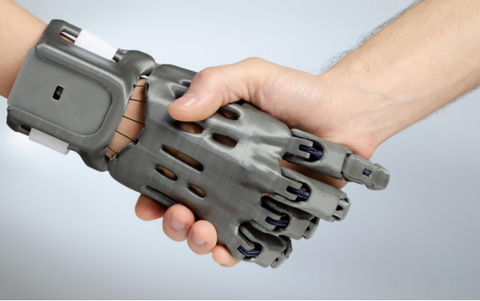
One industry that has benefited greatly from metal 3D printing is healthcare. Medical professionals can now create patient-specific implants and prostheses, improving the precision and effectiveness of treatment. This technology also enables the production of complex medical devices, such as surgical instruments and dental implants, that require a high degree of customization.
The automotive industry is another sector where metal 3D printing is rapidly gaining traction. Manufacturers can produce lightweight components, leading to fuel-efficient vehicles without compromising on strength and safety. Furthermore, customizing car parts to specific designs and requirements is now easier, leading to more innovation and personalization.
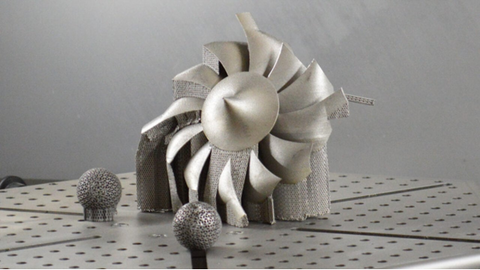
Aerospace is another industry where metal 3D printing is making great strides. By using this technology, manufacturers can produce complex and lightweight aircraft components that improve overall performance while reducing fuel consumption. The ability to create intricate designs that were previously not possible has shaped the future of aerospace engineering.
The future of manufacturing with metal 3D printing
With the increasing adoption and advancements in metal 3D printing, the future of manufacturing looks incredibly promising. This transformative technology will revolutionize the entire production process across various industries. As we continue to explore the possibilities and push the boundaries of this technology, we can expect significant changes in the way we manufacture goods.
One of the most important areas where metal 3D printing is expected to have a major impact is supply chain management. Conventional manufacturing often requires complex and lengthy supply chains involving multiple suppliers and transport logistics. With metal 3D printing, manufacturers have the ability to produce components on demand, eliminating the need for extensive supply chains and reducing lead times. This not only saves time and money but also allows for greater flexibility and agility in responding to market demands.
As the technology continues to evolve, further advancements in the materials used for metal 3D printing are also expected. Currently, there are various metal alloys that can be produced using the 3D printing process, each with its own unique properties and applications. In the future, new materials specifically developed for 3D printing could be created, featuring higher strength, durability, and heat resistance. This will open up new possibilities for the manufacturing of high-performance components that were previously not feasible.
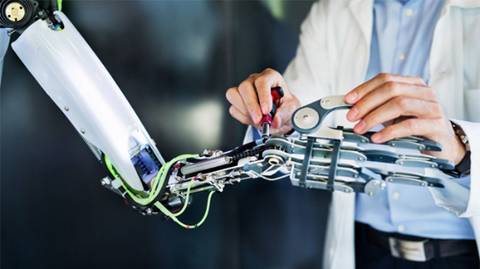
Another area to keep an eye on is the integration of artificial intelligence (AI) and machine learning into metal 3D printing technology. AI algorithms can analyze complex designs and optimize the printing process, minimizing errors and improving efficiency. Furthermore, machine learning can help identify patterns and trends in production data, enabling continuous improvement and optimization of the printing process. This results in higher quality products, less waste, and faster production times.
Harnessing the potential of metal 3D printing in manufacturing
In summary, the potential of metal 3D printing in manufacturing cannot be overlooked. As we have seen, this transformative technology is already having a significant impact on the industry, and the future looks even more promising. The ability to produce components on demand, shorter lead times, and greater flexibility in responding to market demands are just some of the advantages that metal 3D printing brings.
The future of manufacturing with metal 3D printing is undoubtedly bright. As more industries recognize the immense potential and continue to push the boundaries of what is possible, we can expect a revolution in the way we manufacture goods. Exciting times lie ahead, and those who embrace this transformative technology will be well-equipped for success in the future.
FAQ
1.Q: What advantages does metal 3D printing offer compared to conventional manufacturing processes?
A: Metal 3D printing offers benefits such as reduced material waste, the ability to create intricate designs, and increased cost-efficiency, as only the required amount of metal is used, thereby eliminating inefficiencies associated with conventional manufacturing.
2.Q: How is the field of metal 3D printing evolving, and what are researchers and engineers currently focusing on?
A: Researchers and engineers are actively working on developing new materials for metal 3D printing that go beyond traditional metals to include alloys and precious metals. Another focus is on improving printing speed, optimizing design tools, and integrating artificial intelligence to expand the capabilities and applications of this transformative technology.
3.Q: What are the limitations of metal 3D printing, and are there ongoing efforts to overcome these challenges?
A: Limitations of metal 3D printing include the limited size of printers, high costs for equipment and materials, and time-consuming printing processes, especially for larger and more complex parts. Ongoing research and development are aimed at overcoming these challenges, with a focus on increasing printing speed, reducing costs, and expanding the range of printable materials.
4.Q: In which industries does metal 3D printing find important applications, and what benefits does it bring to these sectors?
A: Industries such as healthcare, automotive, and aerospace are actively adopting metal 3D printing. In healthcare, the technology is used for patient-specific implants and prostheses, while in the automotive industry, it enables the production of lightweight components for fuel-efficient vehicles. In aerospace, metal 3D printing is revolutionizing the production of complex and lightweight aircraft components, improving overall performance and fuel efficiency.
